Are you looking for a walking for weight loss plan that does not leave you exhausted or nursing shin splints? If you are a true beginner, carrying extra weight, in an older demographic, or recovering from an injury, high-intensity workouts might not be the right starting point. The good news is that you do not need to sprint to shed pounds or spend hours in a traditional gym setting. This guide focuses on a sustainable, science-backed approach to burning fat by simply increasing your daily activity. By optimizing your everyday movement, you can transform your health and achieve sustainable results without burning out.
Key Takeaways: Your Quick-Start Summary
- Walking is a low-impact, highly effective method for optimizing your daily calorie burn.
- Non-Exercise Activity Thermogenesis (NEAT) is the secret engine behind consistent, long-term weight loss.
- Jumping straight to 10,000 steps can cause injury; a gradual, tiered progression is essential.
- Apps like Trainmate provide the crucial step tracking and social accountability needed for lasting success.
What Makes This Walking for Weight Loss Plan Different?
Most fitness advice blindly prescribes 10,000 steps a day as a magical threshold for health and wellness. However, for true beginners, suddenly doubling or tripling daily activity levels can lead to joint pain, severe fatigue, and an inevitable loss of motivation. This plan actively reframes the goal from simply chasing a random number to strategically optimizing your overall daily movement. By understanding the underlying mechanics of energy expenditure, you can build a sustainable habit.
Understanding NEAT: Your Secret Fat Burning Weapon
Non-Exercise Activity Thermogenesis, or NEAT, refers to the energy expended for everything we do that is not sleeping, eating, or sports-like exercise. This includes walking to work, typing, performing yard work, and even fidgeting. According to extensive research published by Dr. James Levine at the Mayo Clinic, NEAT can account for a variance of up to 2,000 calories burned per day between different individuals. Maximizing your NEAT through a structured walking routine is a highly effective way to create a caloric deficit. You are essentially turning your body into a fat-burning machine throughout the entire day, rather than just during a structured workout.
Walking vs Running Fat Loss: Which is Better?
When comparing walking vs running fat loss, beginners are often surprised to learn that walking can be superior for sustainable weight management. Running is a high-impact activity that places immense stress on your joints, tendons, and central nervous system. Walking, on the other hand, keeps your heart rate in Zone 2, which is the optimal aerobic zone for fat oxidation. A study published in the British Journal of Sports Medicine (2018) demonstrated that steady, brisk walking primarily utilizes stored body fat for fuel rather than glycogen. Therefore, a consistent walking routine protects your joints while specifically targeting your fat stores.
How Much Walking to Lose Weight? The Numbers Explained
Understanding exactly how much walking to lose weight requires looking closely at energy balance and the mathematical realities of fat loss. A standard 180-pound adult burns approximately 100 calories per mile of brisk walking. Hitting the highly publicized goal of 10,000 steps equates to approximately 4.5 to 5 miles of distance traveled. By consistently achieving this daily milestone, you can burn an extra 400 to 500 calories per day, depending on your exact pace and body composition.
Creating a consistent deficit of 500 calories per day results in a total deficit of 3,500 calories over the course of a week. In nutritional science, a deficit of 3,500 calories is generally required to lose one pound of stored body fat. A landmark 2022 study published in JAMA Internal Medicine analyzed step counts and concluded that taking up to 10,000 steps daily was strongly associated with a lower risk of obesity and cardiovascular disease. The numbers clearly show that steady, cumulative movement adds up to significant, measurable physical transformations over time.
Your 8-Week Quick-Start Plan: Walking to Lose Weight Beginner Guide
To safely achieve 10,000 steps weight loss, you must embrace a phased, practical approach that prioritizes joint health and habit formation. We have designed this practical quick-start plan specifically as a walking to lose weight beginner tool to prevent early burnout. Follow this tiered progression chart, focusing on consistency rather than speed during the initial weeks.
Weeks 1-2: Finding Your Baseline
During the first two weeks, your only goal is to assess your current activity level and add a minimal, manageable amount of intentional movement. Do not aim for 10,000 steps if your current daily average is only 2,000 steps. Instead, aim to walk for just 15 to 20 minutes a day at a comfortable, conversational pace. This usually equates to adding roughly 1,500 to 2,000 intentional steps to your natural daily baseline. Focus entirely on building the daily habit of putting on your shoes and getting out the door.
Weeks 3-4: Building Momentum
Once your body has adapted to the initial increase in movement, it is time to slightly extend your duration. Aim to walk for 30 minutes continuously, or break it into two 15-minute walks during the day. You should target an overall daily goal of roughly 5,000 to 6,000 steps during this two-week phase. Begin to slightly increase your pace so that you experience mild breathlessness, signaling that your cardiovascular system is working. This slight push into a higher heart rate zone maximizes your daily caloric expenditure.
Weeks 5-6: Pushing the Pace and Incline
In weeks five and six, your body is ready for more volume and a slight increase in intensity. Increase your daily step target to between 7,000 and 8,000 steps by adding a dedicated 45-minute walking session to your day. If you are walking outdoors, intentionally seek out a route with a few gentle hills to increase muscle activation in your glutes and hamstrings. If you are using a treadmill, bump the incline up to a 2% or 3% grade. This added resistance significantly increases your energy expenditure without requiring you to jog or run.
Weeks 7-8: Reaching 10,000 Steps and Beyond
By week seven, your joints, tendons, and cardiovascular system have adapted to a highly active lifestyle. You are now ready to consistently target the full 10,000 steps a day milestone. The easiest way to hit this goal is to combine a dedicated 45-minute daily walk with small behavioral changes, such as parking further away or taking walking meetings. The American Heart Association recommends at least 150 minutes of moderate-intensity aerobic activity per week, which you will easily surpass at this level. You have successfully integrated a powerful fat-burning habit into your permanent lifestyle.
Essential Gear and Preparation for Your Step Journey
While walking requires minimal equipment, investing in the right gear ensures you remain pain-free and motivated to step outside every single day. The most critical investment you can make is a pair of high-quality, supportive walking shoes designed for your specific foot arch. Running shoes often have an aggressive forward tilt, whereas dedicated walking shoes provide a flatter, more stable base with ample heel cushioning. Replace your walking shoes every 300 to 400 miles to ensure the foam maintains its protective shock absorption. Clothing choices also play a major role in your daily comfort and adherence to the plan. Choose moisture-wicking fabrics rather than heavy cotton to prevent chafing during longer walking sessions. Dress in light, easily removable layers so you can easily regulate your body temperature as you warm up. Proper preparation eliminates the common physical frictions that frequently derail beginners during the first month of a new routine.
Tracking Your Progress: Accountability is Everything
The most scientifically sound walking plan will completely fail if you lack the consistency to execute it daily. This is where modern digital tracking becomes an absolute game-changer for beginners looking to establish a new habit. Relying solely on your memory to gauge your daily activity level usually results in overestimating your actual movement. You need objective data to ensure you are accurately hitting your targeted step progression goals every week.
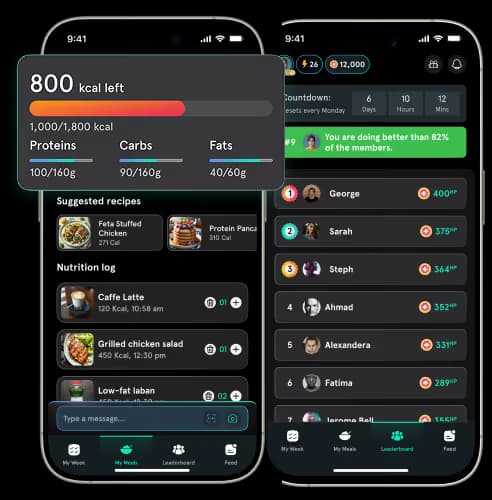
Apps like Trainmate make this process effortless by automatically tracking your daily steps in the background of your life. Beyond simple tracking, Trainmate leverages the power of community by allowing you to join engaging walking challenges with your friends. Research shows that social accountability can drastically improve exercise adherence rates among true beginners. By making your step counts visible to a supportive community, you transform an isolated chore into an engaging, shared fitness journey.
Frequently Asked Questions
Can I lose weight by just walking 10,000 steps a day?
Yes, you can lose weight by walking 10,000 steps a day, provided you maintain a steady calorie deficit. This daily movement significantly increases your total daily energy expenditure. For the best results, pair your consistent walking routine with a balanced, whole-food diet to ensure sustained fat loss over time.
How fast do I need to walk to burn fat?
To effectively burn fat, aim for a brisk walking pace of about 3.0 to 3.5 miles per hour. You should feel your heart rate elevate and experience mild breathlessness, but you should still be able to hold a conversation. This keeps you in the optimal fat-burning aerobic zone.
Is it better to walk all at once or spread it out?
It is perfectly fine to spread your steps throughout the day. In fact, taking three 15-minute walks after meals can improve digestion and regulate blood sugar better than a single long walk. Cumulative movement is the ultimate goal for boosting your non-exercise activity thermogenesis and burning fat.
How long does it take to walk 10,000 steps?
For the average adult, walking 10,000 steps takes approximately 90 to 100 minutes at a moderate, steady pace. You do not need to complete this all at once. Breaking it into a morning walk, a lunchtime stroll, and an evening session makes this time commitment incredibly manageable.
What if my knees hurt when I walk?
If you experience knee pain, stop walking immediately and assess your footwear. You may need walking shoes with better arch support or enhanced heel cushioning. Consider walking on softer surfaces like dirt trails or a local track rather than concrete, and consult a physical therapist for a personalized recovery plan.
Conclusion: Stepping Into Your Weight Loss Journey
Embarking on a walking for weight loss plan does not have to be an overwhelming or painful experience. By understanding the immense value of daily NEAT and utilizing a smart, tiered progression, you can safely walk your way to a leaner, healthier body. Remember that consistency will always beat intensity when you are a beginner looking to create sustainable, lifelong habits. The key is to start small, respect your body's current baseline, and gradually increase your volume over the next eight weeks.
Now that you have a comprehensive roadmap, the only thing left to do is take your very first step. To ensure you stay perfectly on track with your new daily goals, download the Trainmate app today. Trainmate will seamlessly track your progressive step targets, connect you with a supportive community, and provide the daily accountability you need to succeed. Lace up your shoes, head out the door, and start walking your way to a healthier, more vibrant life.