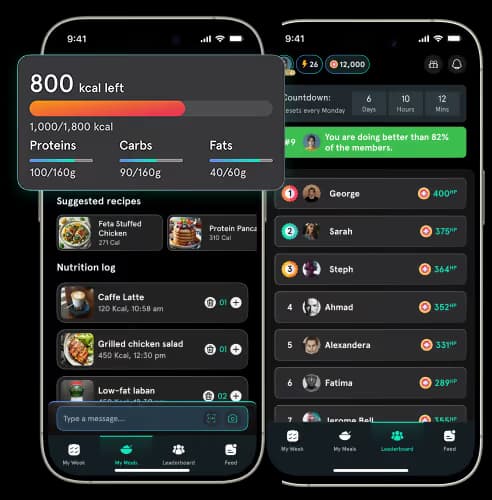
When deciding between a flexible wellness stipend vs corporate fitness platform GCC enterprise employers must evaluate engagement over allowance. Unmanaged cash stipends average a Cost Per Active Employee per Year (CPEY) exceeding $3,500 due to physical utilization rates under 15%. Managed corporate fitness platforms deliver verified workout tracking, lower administrative overhead, and active usage, bringing true CPEY down to $220.
Should HR departments offer flexible wellness stipends or a managed digital fitness platform?
Unmanaged flexible stipends look simple on paper. You allocate $500 per employee per year, write a line in your benefit handbook, and let HR reimburse receipts. The execution fails because paying for access does not cause physical adaptation.
Employees treat open stipends as cash bonuses or gym passes that go unused after week three. In a RAND Corporation workplace wellness study, researchers found that lifestyle management programs relying on unmanaged incentives frequently see active participation stall below 20%. The real goal of a total rewards strategy GCC program is reducing long-term health risks, absenteeism, and chronic disease costs.
A managed corporate fitness platform operates on actual exercise execution rather than passive spending. It directs capital toward employees who demonstrate measurable physical work. This structure replaces manual expense processing with verifiable training logs.
HR leaders looking to protect their health benefit budgets should model their returns using a Corporate Wellness ROI Calculator before selecting an administrative model. Managed platforms tie investment directly to active physical output. Flexible cash stipends dilute budget across non-fitness purchases and forgotten gym contracts.
What is the average cost per active employee per year for unmanaged wellness stipends?
Calculating benefit cost based on total headcount hides severe financial waste. CFOs calculate cost per eligible employee, but Total Rewards leaders must calculate Cost Per Active Employee per Year (CPEY).
To compute CPEY, divide your total annual budget allocation by the number of employees who complete at least 2.5 hours of structured physical activity per week for 40 weeks per year.
Suppose a 1,000-employee enterprise in Dubai or Riyadh offers an unmanaged $600 flexible wellness stipend. The total annual expense commitment is $600,000. Historical corporate benchmark data indicates that only 12% of employees maintain consistent training habits using open reimbursements. That equals 120 active employees.
$$ \text{CPEY} = \frac{\$600,000}{120 \text{ active employees}} = \$5,000 \text{ per active employee per year} $$
The organisation pays $5,000 annually for every employee who actually improves their health baseline. The remaining $528,000 goes to non-exercising staff who claimed running shoes, ergonomic chairs, or short-lived gym memberships.
Metric | Unmanaged Flexible Stipend | Managed Digital Fitness Platform |
|---|---|---|
Annual Budget per Seat | $600 | $45 |
Active Physical Utilization Rate | 12% | 65% |
Effective Cost Per Active Employee (CPEY) | $5,000 | $69.23 |
HR Expense Approval Hours (per 1,000 employees) | 480 hours/year | 0 hours/year |
Tax Verification & Receipt Auditing Risk | High | Zero |
Verified Workout Data | None | Set-by-Set Strength & Cardio |
Enterprise teams deploy corporate accounts employees join through their employer to replace cash reimbursements with structured digital access. This shift drops total spend while expanding active participation across non-athletic staff segments.
What are the main usage traps associated with flexible wellness reimbursement stipends in the GCC?
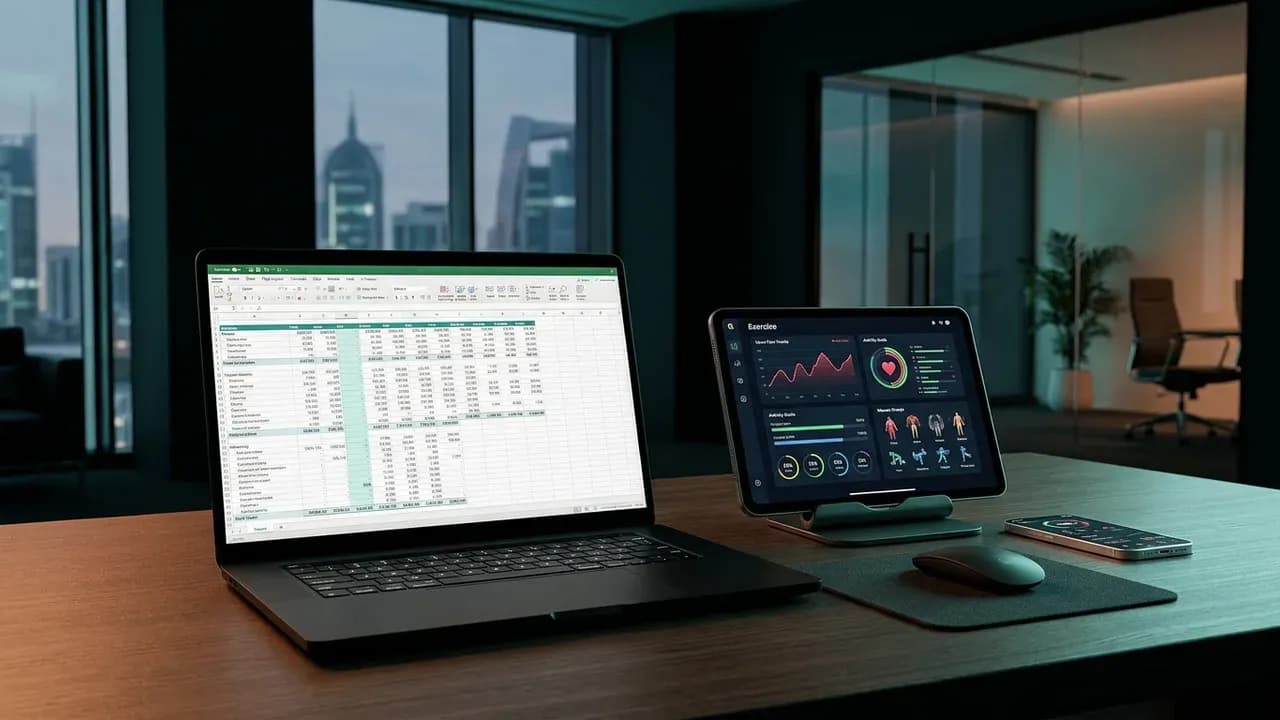
The primary trap of open stipends in the Gulf region is the "Gym Membership Ghost." Employees buy high-end commercial gym memberships in January to clear their reimbursement budget. They attend four sessions, stop going in February, and the facility retains the employer's capital without delivering health outcomes.
Climate conditions in the Arabian Gulf create a severe seasonal drop in physical activity. A cohort study on physical activity in the Arabian Gulf published in ResearchGate demonstrated that extreme ambient heat—temperatures exceeding 45°C from May to September—slashes outdoor movement by up to 50%. Stipends spent on outdoor running gear or local sport clubs go completely unutilized during five months of the year.
Unmanaged stipends also fail because access without progressive programming yields zero physiological adaptation. An untrained employee given $500 buys a gym pass, wanders between selectorized machines without a plan, experiences heavy delayed-onset muscle soreness, and quits.
To maintain habit formation through extreme weather variations, employees require structured progressive resistance training indoors. Platforms providing guided gym workouts with set-by-set logging of reps, weight and assisted-machine loads remove the guessing game that leads to early dropouts.
A third usage trap occurs during cultural shifts like holy months and summer holiday block periods. Without structured program adaptation, physical activity drops off entirely during shift rotations or fasting periods. Employers must evaluate how their wellness benefit adapts to regional schedule changes by reviewing strategies to structure a Ramadan corporate wellness program in the GCC.

How do managed corporate fitness platforms prevent administrative overhead and tax compliance issues?
Unmanaged stipends create operational friction for Finance and HR teams. Processing individual wellness receipts requires manual verification of merchant category codes, invoice legitimacy, and tax documentation.
In Saudi Arabia, corporate health benefits must align with Saudi ZATCA VAT regulations. In the UAE, the Federal Tax Authority (FTA) closely scrutinises non-wage employee benefits. Processing 1,000 gym invoices per quarter consumes roughly 120 hours of administrative processing time.
If an HR administrator costs $35 per hour, the enterprise incurs an additional $16,800 annually in pure administrative overhead simply processing receipts. Unverified claims also expose the organization to tax compliance penalties if audited.
Managed platforms remove receipt processing completely. The enterprise pays a single vendor invoice with unified tax reporting. The platform handles user identity verification, account provisioning, and access management automatically.
Organizations protecting employee health data must also ensure compliance with regional privacy frameworks, including Saudi Arabia's Personal Data Protection Law (PDPL) and UAE Data Protection laws. Reviewing a comprehensive corporate wellness vendor RFP checklist for GCC compliance prevents regulatory issues down the line.
Cross-cultural workforce engagement requires localized software interfaces. Digital fitness platforms offering multi-language support including English and Arabic ensure high adoption across both national citizens and multinational expatriate workforces.
Enterprise platforms remove receipt collection, eliminate manual auditing, and provide immediate audit trails for tax compliance. This operational shift transfers administrative budget back into active employee health initiatives.
According to a workplace health assessment published by the CDC, structured workplace health interdictions with automated tracking lower absenteeism costs significantly compared to unmonitored cash-equivalent allowances. Combining tracked exercise execution with unified corporate reporting allows Total Rewards directors to demonstrate clear ROI to board members while lowering corporate health insurance premiums through verified wellness data.
Frequently Asked Questions
How do you calculate Cost Per Active Employee per Year (CPEY)?
Calculate CPEY by taking the total annual cost of the wellness benefit (including administrative processing overhead) and dividing it strictly by the number of employees who complete verified physical exercise at least twice per week. Do not include passive program enrollees or inactive gym membership holders in the active denominator.
Why do unmanaged wellness stipends fail to improve employee health metrics?
Unmanaged wellness stipends reward purchase intent rather than physical activity execution. Employees often purchase unused gym memberships or non-fitness accessories. Without structured exercise guidance, set-by-set workout tracking, and progressive resistance targets, employees fail to achieve the physiological stress necessary to improve cardiovascular and metabolic health.
How do digital platforms handle Saudi Arabia and UAE tax and privacy compliance?
Managed digital platforms bill employers through a single enterprise invoice with compliant VAT documentation under ZATCA (Saudi Arabia) or FTA (UAE) guidelines. They eliminate individual expense reimbursements and store employee personal health data in compliance with regional regulations, including the Saudi Personal Data Protection Law (PDPL).
What is a target physical activity utilization rate for GCC enterprises?
While unmanaged flexible cash stipends struggle to maintain a 12% active physical utilization rate, managed digital fitness platforms target 50% to 65% sustained engagement. Achieving this benchmark requires localized Arabic and English user interfaces, indoor strength programming adapted to summer heat, and verified exercise tracking.
Controlling benefit costs requires moving from unmanaged cash allowances to software that measures and encourages actual strength training execution. TrainMate gives HR and Total Rewards teams an enterprise platform that drives active physical participation, eliminates administrative expense processing, and brings CPEY down to sustainable levels across GCC workforces.